
facebook insta linkedin pinterest
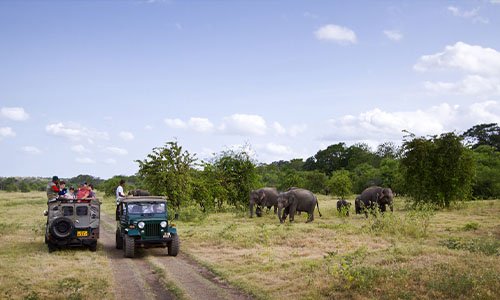
Udawalawe National Park

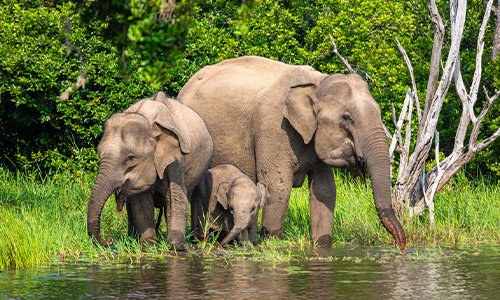
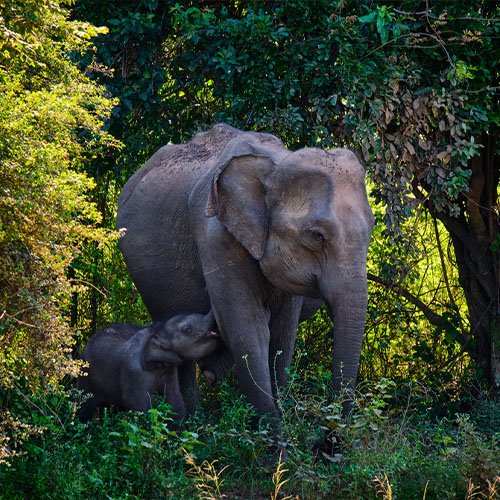
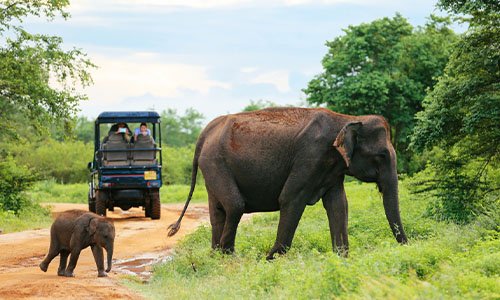
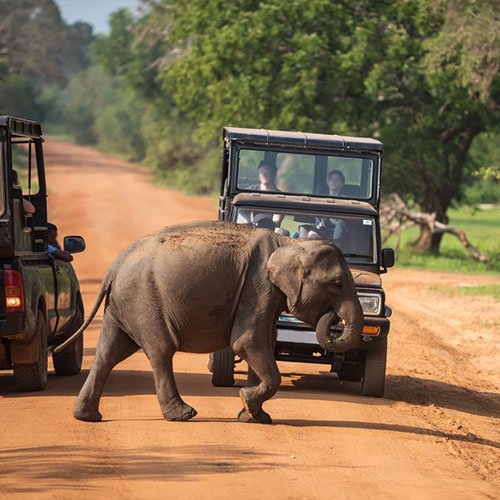
Wild creatures who were displaced by the building of the Udawalawe Reservoir might find refuge in this National Park. Elephants may be observed up close in the park’s open environment. This is the third most frequented park on the island and one of the most well-known spots.
Yala National Park

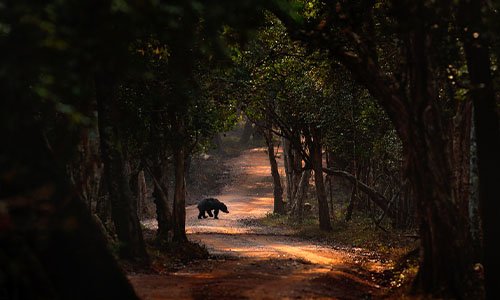
This is Sri Lanka’s second-largest and most visited national park. Its wildlife contribution, which includes sloth bears, elephants, leopards, and aquatic birds, is favourably acknowledged. This is one of Sri Lanka’s 70 Important Bird Areas (IBAs).

Wasgamuwa National Park

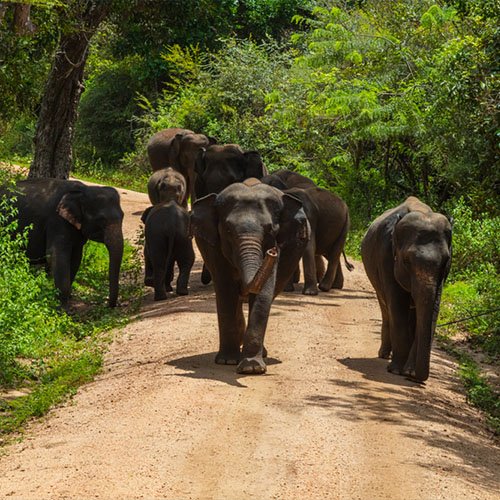
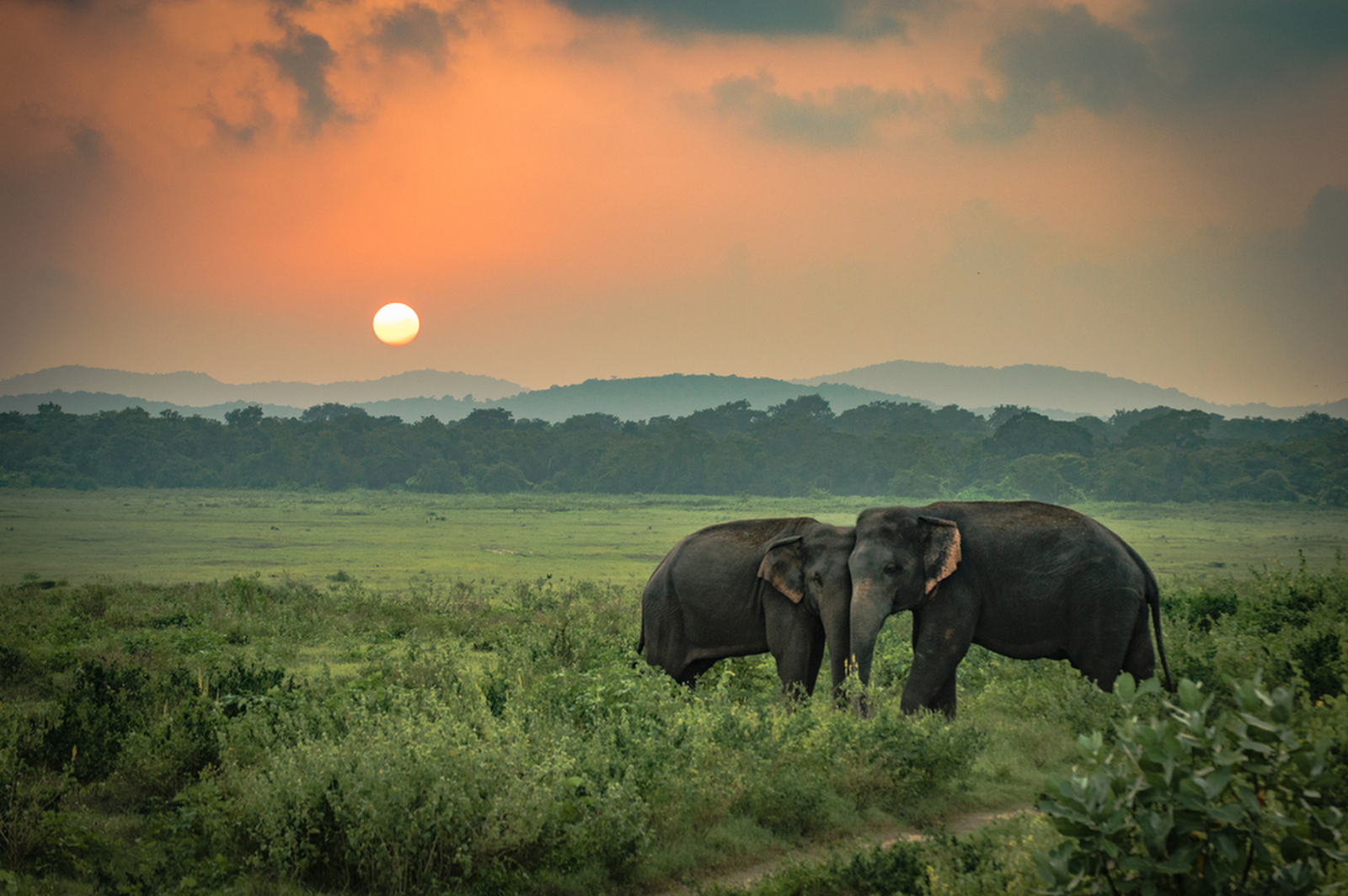
This is one of the blanketed regions where Sri Lankan elephants can be visible in huge herds. It is likewise one of the 70 Important Bird Areas (IBA) in Sri Lanka. There are more than 150 floral species and it is home to 23 species of mammals.

Minneriya National Park

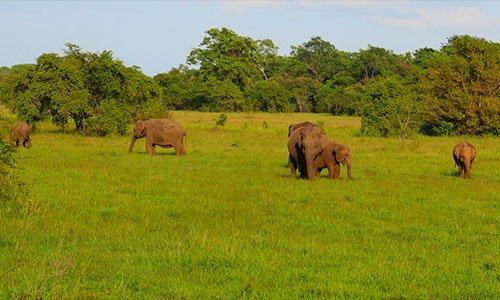
Large numbers of Sri Lankan elephants are drawn to grass fields at the edges of the Minneriya reservoir. Whilst this tank sustains a large herd of elephants, they collect here maximum of the time. The elephants tend to emigrate right here from the Wasgamuwa National Park as they enjoy the food and shelter of Minneriya National Park.

Kumana National Park

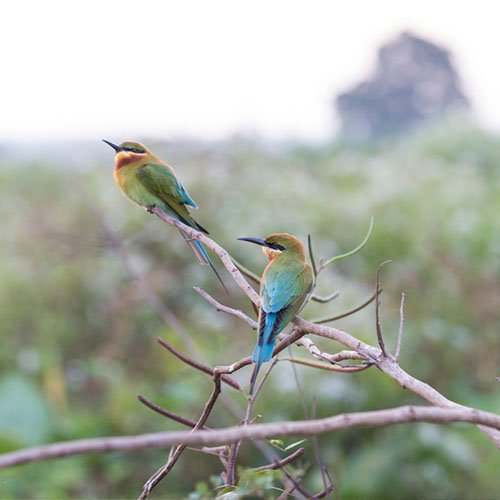
This is simply an ornithologist’s Paradise! Located inside the southeast nook of Sri Lanka is a mangrove swamp where many water birds nest. Of Ceylon’sfour hundred bird species, the Kumana National Park is known to have recorded 255 species of birds. It is thought that thousands of birds migrate to the swamp each year between April to July.

Wilpattu National Park

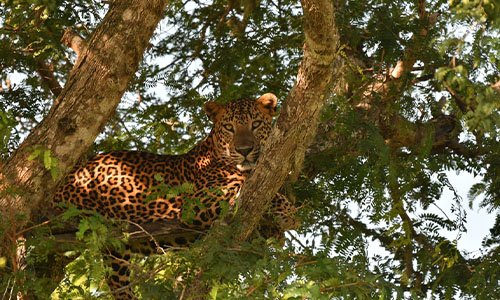
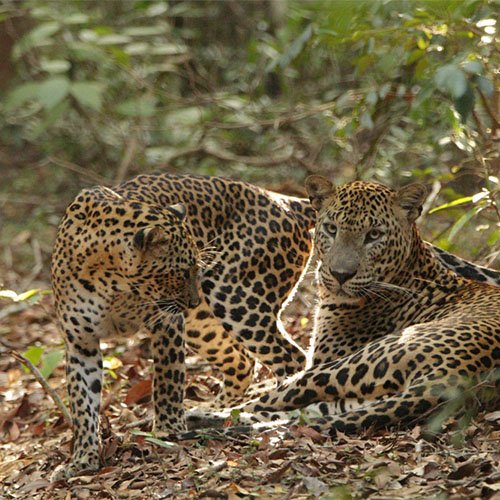
This is one of the biggest and oldest parks in Sri Lanka. The unique feature is the lifestyle of its park is the ‘Villus’. Over 60 watering holes or lakes may be discovered in the vicinity. This popular eco-destination is domestic to 31 species of mammals and Wilpattu is a few of the National parks for the top leopard population.